
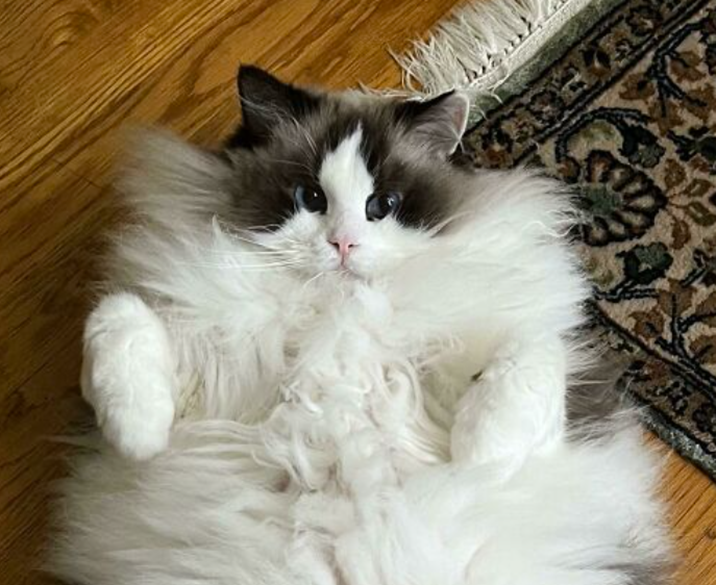
One of the first questions new Ragdoll owners ask is whether their kitten is going to turn their home into a fur factory. It’s a fair question — these are long-haired cats, after all! The good news is that Ragdolls are actually one of the more manageable long-haired breeds when it comes to shedding, and understanding what’s happening at each life stage will help you know exactly what to expect.
The kitten coat: short, soft, and barely there
Here’s something that surprises a lot of new owners — Ragdoll kittens hardly shed at all! When your kitten first comes home, they have what’s called a “primary” or baby coat. It’s shorter, softer, and much less dense than the adult coat they’ll eventually grow into. Don’t be fooled into thinking your Ragdoll is always going to be this low-maintenance on the fur front, though — things change as they grow!
The big coat transition
Somewhere between four months and two years of age, your Ragdoll will go through a coat transition as their adult fur grows in. Many owners notice a significant jump in shedding around nine months, which can feel alarming if you’re not expecting it. This is completely normal! The full adult coat doesn’t typically finish maturing until a kitten is between one and two years old, so you may see the shedding gradually increase and then settle into a steady rhythm once they’re fully grown.
After spaying or neutering, some Ragdolls develop an even softer, fuller-feeling coat due to hormonal changes — this is perfectly normal and nothing to worry about.
What “normal” adult shedding looks like
Adult Ragdolls shed at a light-to-moderate, manageable level day to day. Unlike some other long-haired breeds, Ragdolls don’t have a thick, dense undercoat, which means less matting, less clumping, and generally less fur flying around your home. What they do experience are seasonal shedding bumps — typically in spring when the winter coat releases, and sometimes a smaller surge in autumn. For strictly indoor Ragdolls, these seasonal shifts are often milder because artificial lighting and consistent indoor temperatures reduce the impact of daylight cycles on the coat cycle.
Tips for managing shedding at every stage
- Brush two to three times per week with a slicker brush and wide-tooth comb — this is your single most effective tool
- Increase brushing frequency during the coat transition and seasonal shedding periods
- A diet rich in omega-3 and omega-6 fatty acids supports coat health from the inside out and can noticeably reduce excessive shedding
- If you notice sudden heavy shedding alongside skin irritation, bald patches, or behavior changes, a vet visit is in order — those can signal stress, allergies, or another health issue
The bottom line? Ragdolls are genuinely one of the better long-haired breeds for shedding. A little consistency with brushing goes a long way, and that gorgeous silky coat is absolutely worth it.